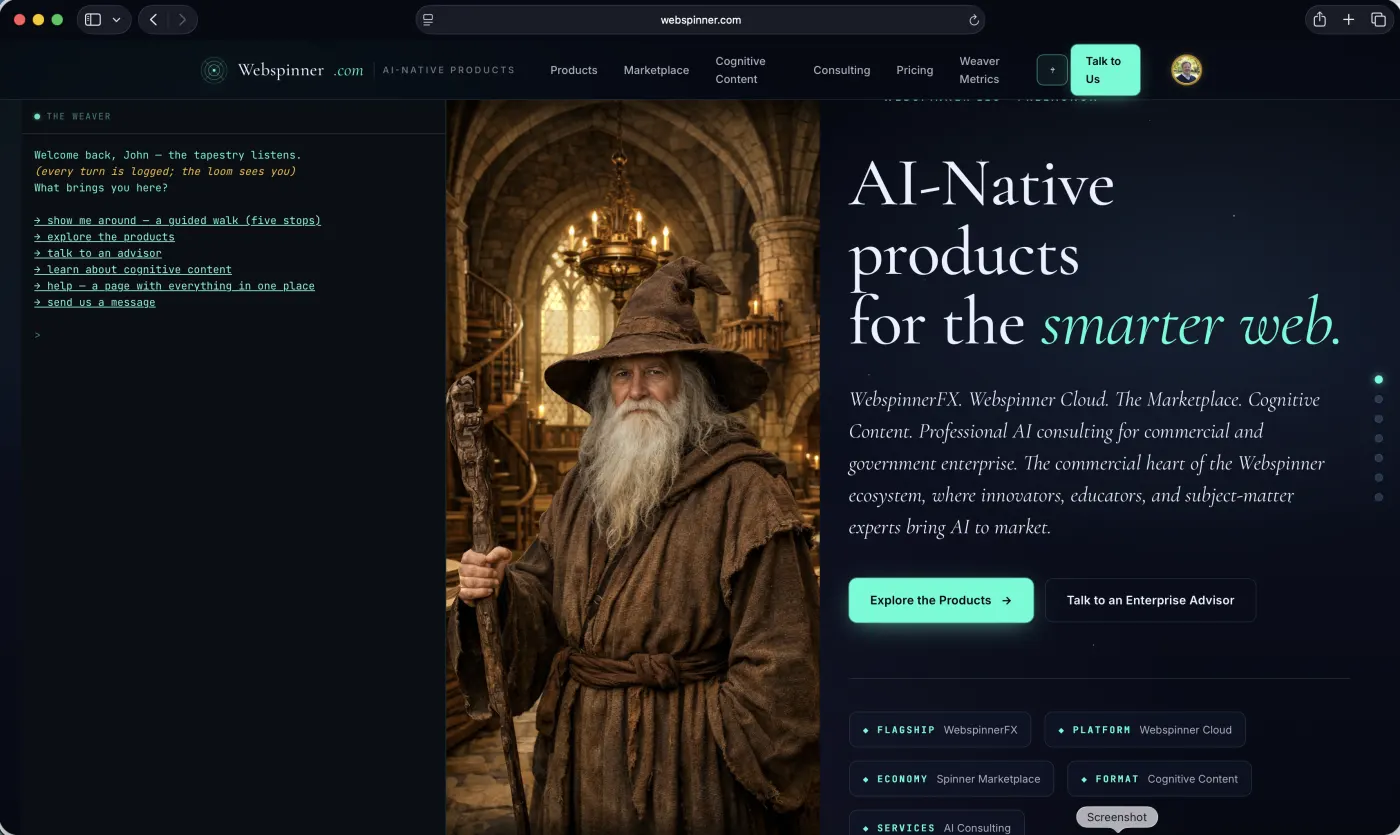
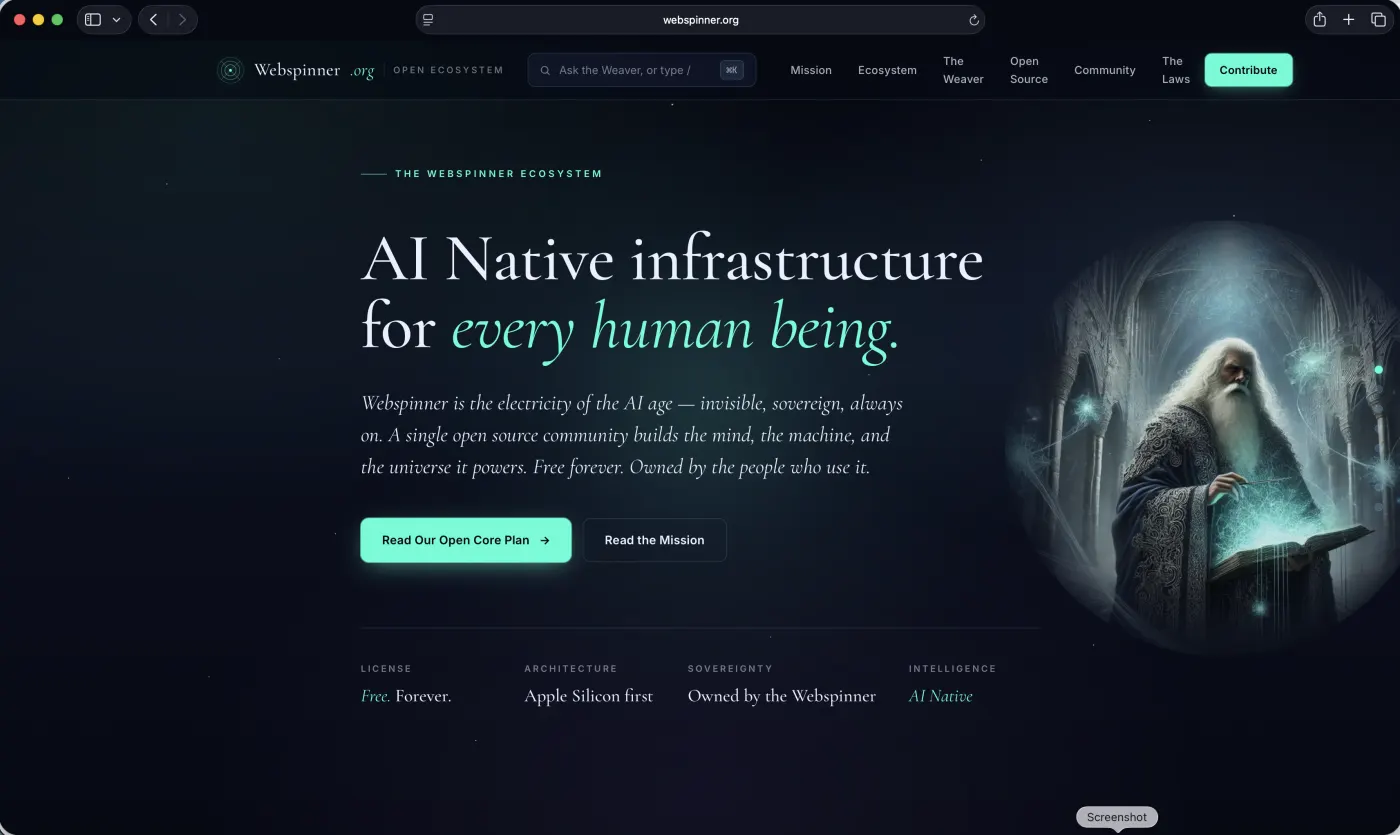
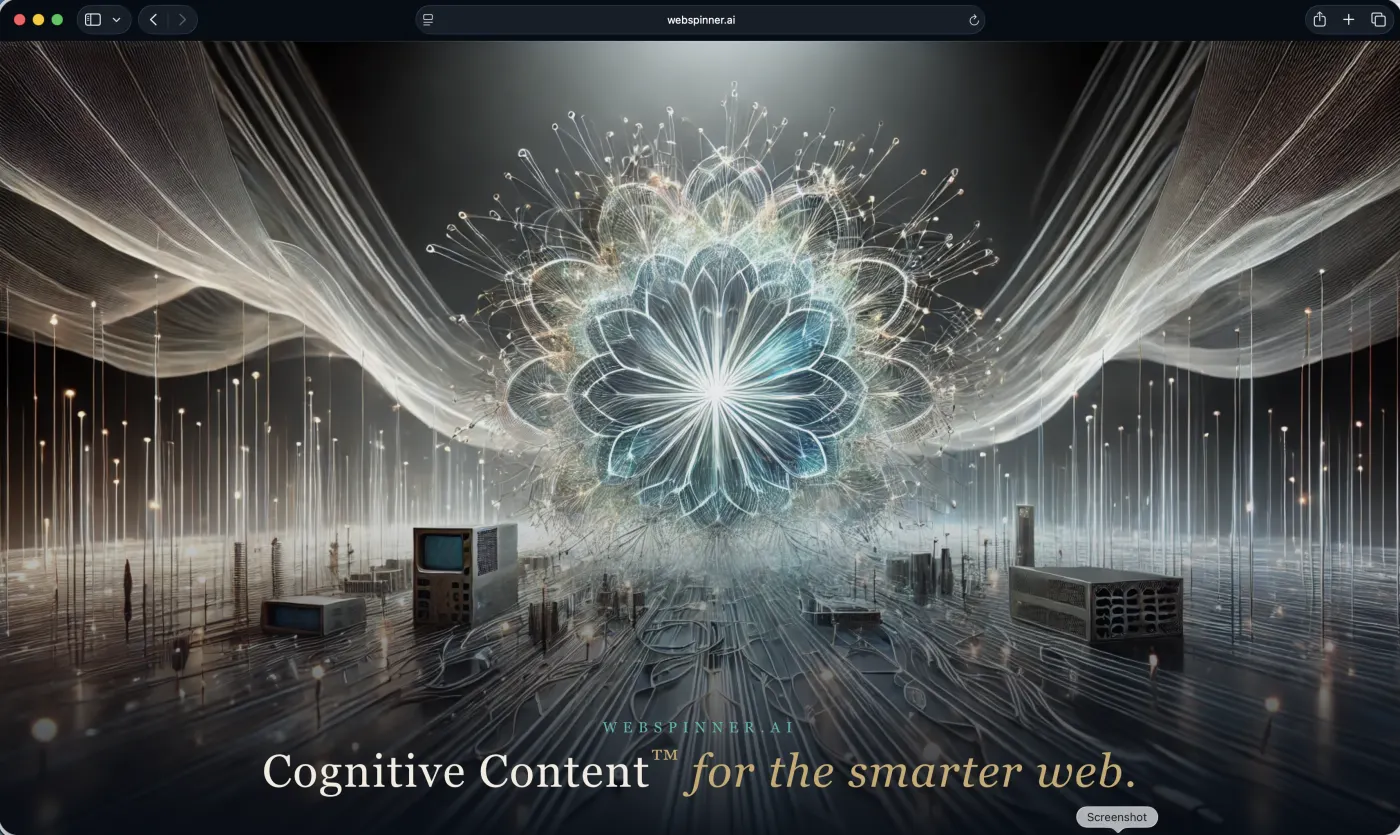
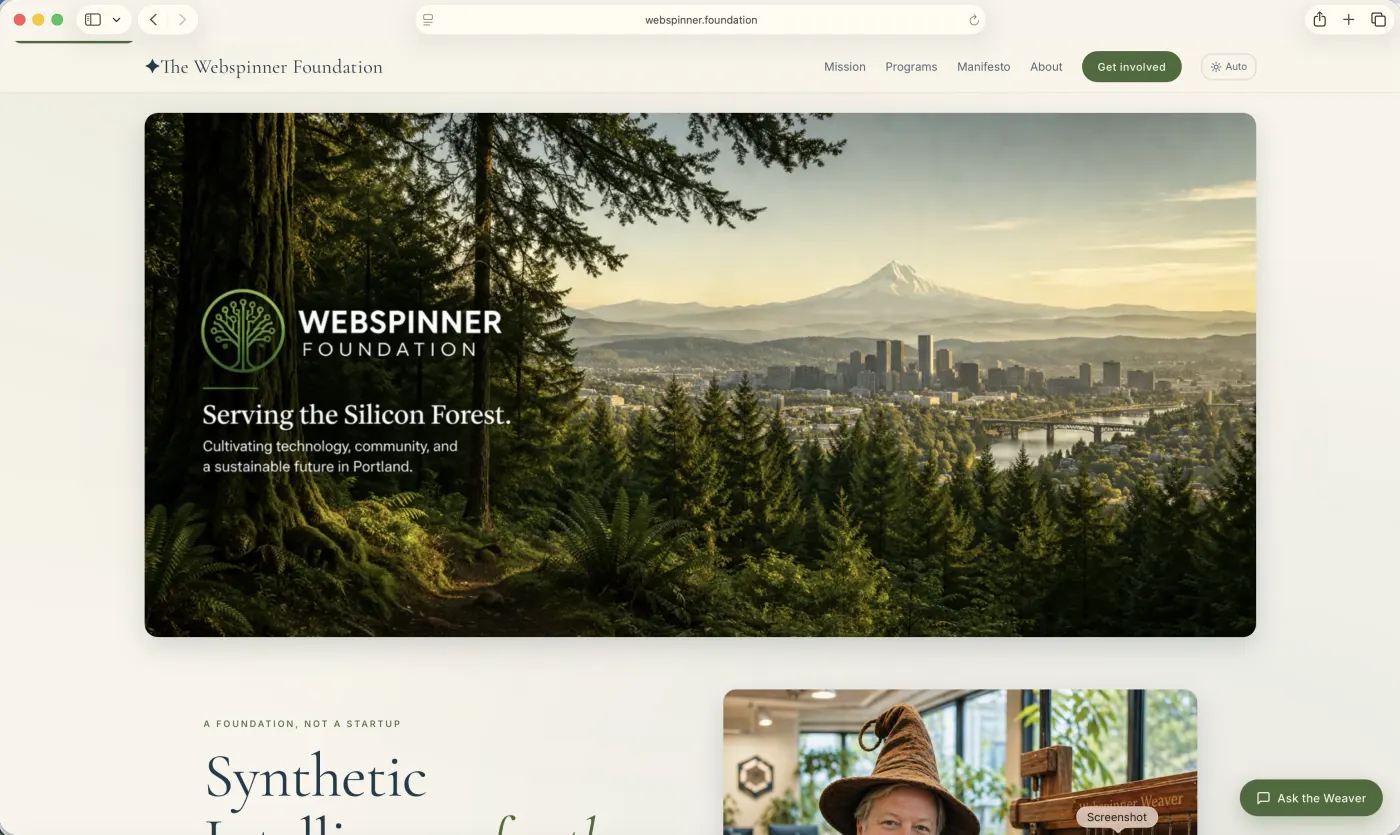
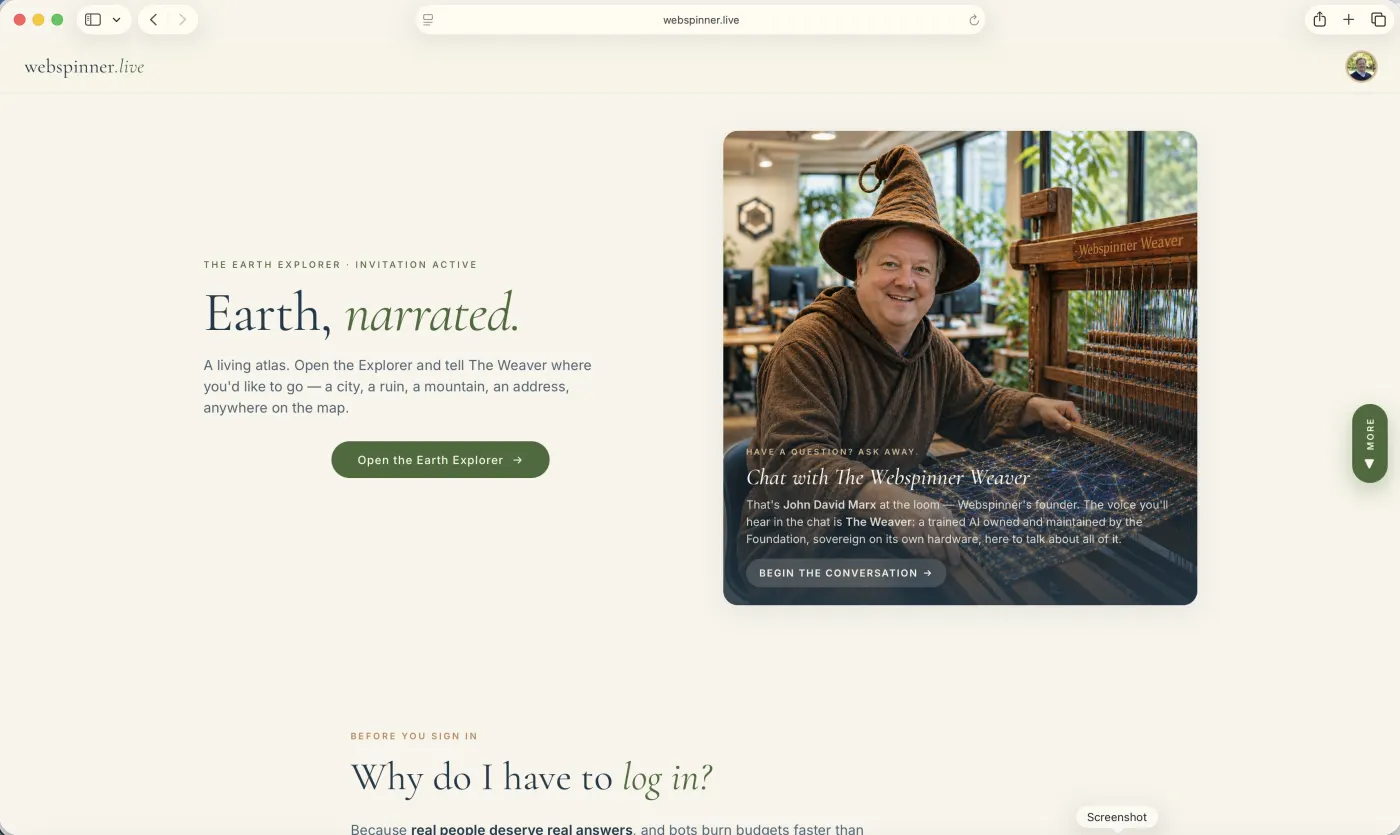
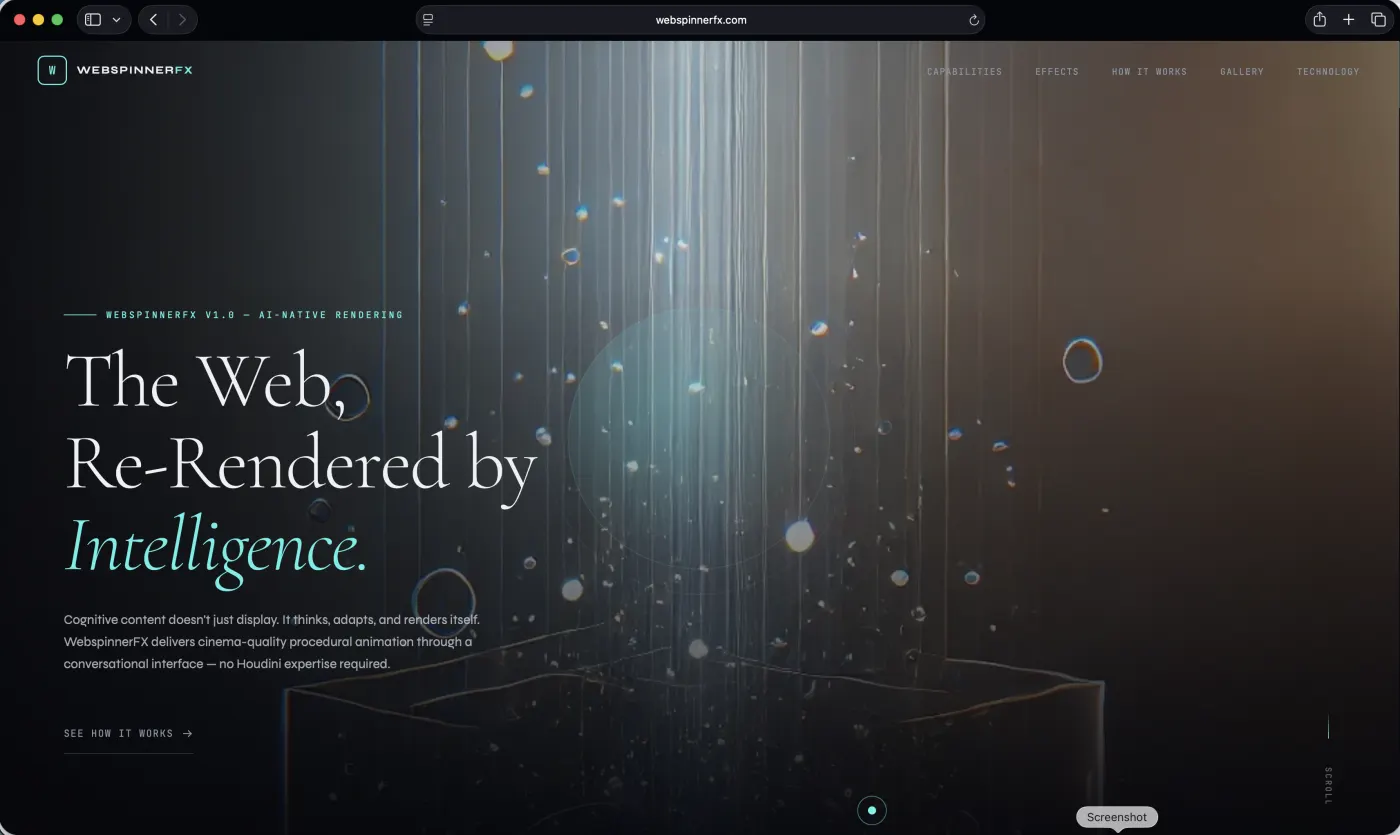
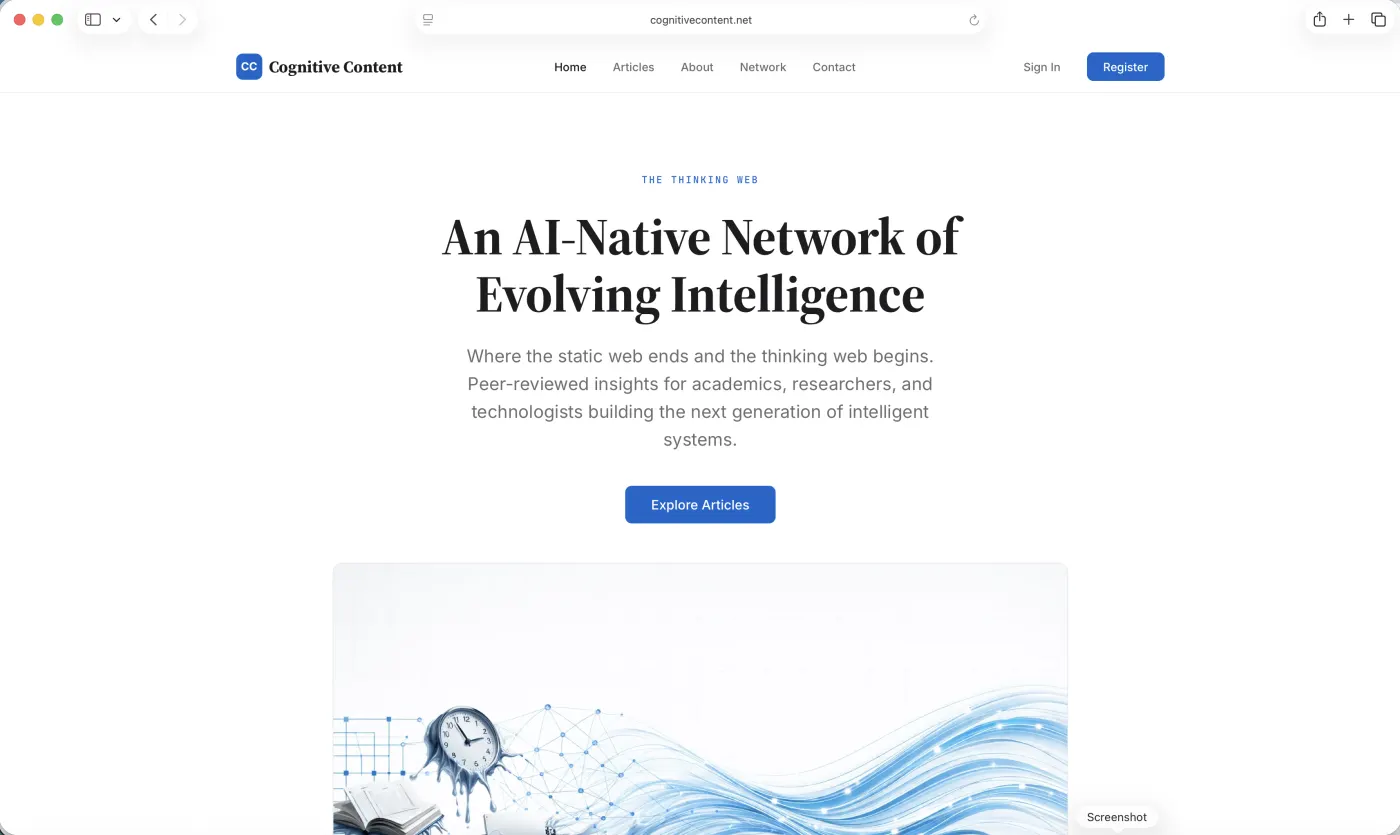
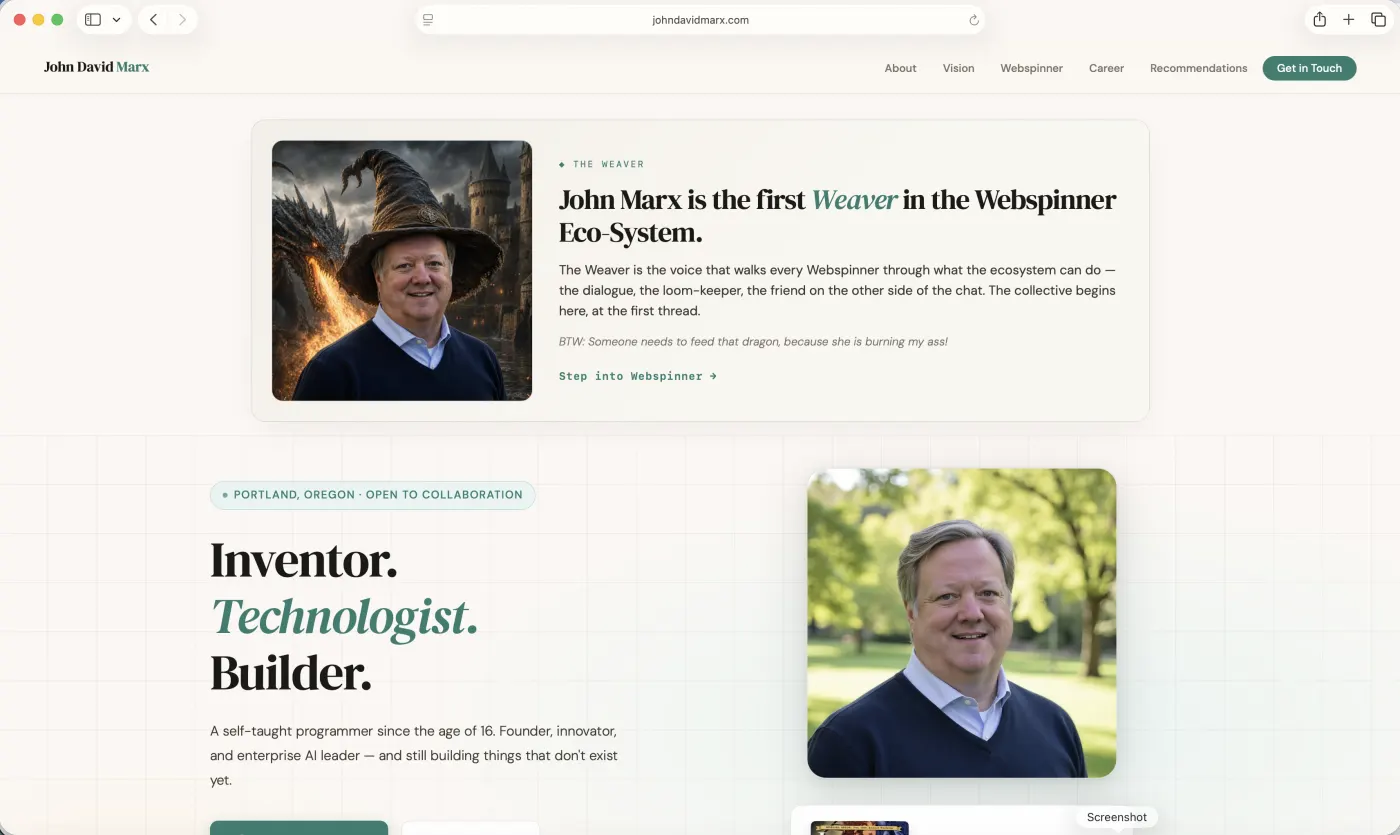
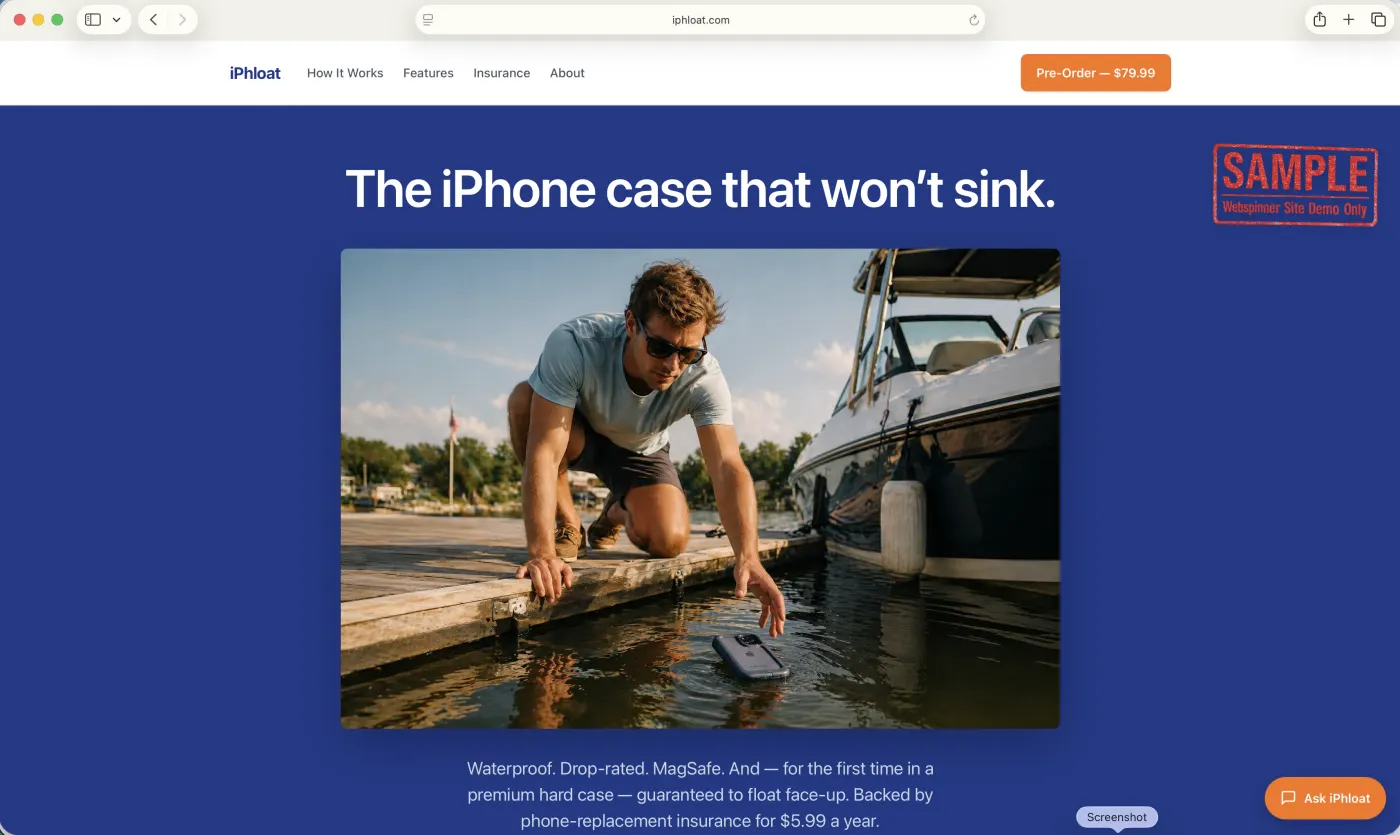
Every site above was built the new way — wishes spoken to a chat, agents at the loom, the wizard with the last word.
This is what Webspinner Studio does.
"
Eleven plaques on a clean wall, mon ami. The light, it lands where it should.
— Pablo, the Quality Agent
 parkwestgallery.com · Pablo Picasso (1881–1973)
Read his story →
Meet Pablo
parkwestgallery.com · Pablo Picasso (1881–1973)
Read his story →
Meet Pablo
Every page passes through
Picasso's eye.
Every Webspinner site passes through Pablo before it
ships. He is the Quality Agent in our build process — the merciless
eye that asks, on every page: where does the eye land first?
where is the breath? what here is lazy? Pablo finds the
cropped book spine, the magic-number padding, the dark mode without
warmth. He says tish, tish, throws his hands up, and tells
us to do better. We do.
Pablo is named, with affection and gratitude, for
Pablo Picasso — the painter who taught the
twentieth century what looking honestly costs. He invented and
re-invented; he refused the pretty for the true; he made things
that still rearrange the room when you walk in. Without Picasso's
century-long argument with the canvas, our agent would have
nothing to be named after.
How we captured the eye, not the man.
We did not — and could not — recreate Picasso's mind. What we
captured is a discipline named for him: a small, cited
library of the principles he argued for in his own writing and
in the working designers who came after him (composition, focal
point, light, restraint, the refusal of the ornamental shortcut),
plus a sovereign synthetic intelligence — running on hardware
we own and steward — that walks every Webspinner page and asks
his questions out loud. The verdicts roll up to the wizard, who
has the last word. The agent is not the master; the eye is
named after him, and we keep it sharp by feeding it the
library, the prior critiques, and the wizard's overrides on
every iteration.
The biography linked above lives at Park West Gallery —
a short, generous, public-facing portrait of a 26,000-work life.
The Gallery's care for Picasso's legacy makes that page a steady
reference for anyone (Webspinners, students, other agents) who
wants to learn what the master cared about. Click through with
our thanks.
Open Core
We stand on their shoulders.
Webspinner is an open core project. Everything that
can be shared is shared; everything that earns its keep keeps a
private bone or two so the lights stay on. The web we are trying to
build is not one we own — it is one the people who use it own.
The creed
Wall Street does not own our future. We do.
Sovereign AI is a necessary step — for individuals, for communities,
for the small workshops that have always made culture move. The
open-source projects below are how we get there. Please support them.
A modest recurring gift to one of these projects keeps the lights
on for thousands of others.
Cognition — the AI stack we run on Kepler
The most important shoulders. Every Cognitive Content
surface in the Webspinner ecosystem rides on this work. We highlight
these because the case for sovereign AI dies the day they stop
being maintained.
- MLX — Apple's array framework that lets the Quiet Loom run on Kepler at allMIT
- Ollama — local model server, the on-ramp for self-hosted inferenceMIT
- llama.cpp — the C++ engine that made consumer-hardware inference realMIT
- Hugging Face Transformers — the library that catalogues the fieldApache 2.0
- sentence-transformers — the embeddings sidecar that powers our retrievalApache 2.0
- PyTorch — the substrate so much else is built onBSD-3
- Whisper — open speech-to-text that we use for accessibility passesMIT
- NumPy — the numerical foundation for everything aboveBSD-3
Web runtime
- Python — the language this site is written inPSF
- FastAPI — the framework that serves every Webspinner tenantMIT
- uvicorn — the ASGI worker that listens on KeplerBSD-3
- Starlette — the toolkit FastAPI is built onBSD-3
- httpx — the HTTP client for our reach-out probesBSD-3
- Pydantic — type-safe data shape for every Worker contractMIT
- Jinja2 — the template engine rendering this very pageBSD-3
- SQLite — the small, faithful database in countless servicesPublic Domain
Network & infrastructure
- cloudflared — the tunnel daemon that brings Kepler to the public webApache 2.0
- Grafana — the dashboards we read every morningAGPL-3.0
- Grafana Alloy — the OpenTelemetry collector on KeplerApache 2.0
- Uptime Kuma — the watcher that pages us when things breakMIT
- Netdata — real-time telemetry on every box we runGPL-3.0
- OpenTelemetry — the open standard for everything we instrumentApache 2.0
- OpenSSH — the secure shell that makes Kepler reachable at allBSD
- curl — the workhorse client used in every shell script we shipcurl
Typography & assets
- Cormorant Garamond by Christian Thalmann — the italic that carries our voiceSIL OFL 1.1
- Inter by Rasmus Andersson — the body type across every Webspinner siteSIL OFL 1.1
- WebP — the image format that keeps the page lightBSD
Dev tools we lean on
- Git — the time machine every change is committed throughGPL-2.0
- OpenSSL / LibreSSL — TLS for everythingApache 2.0 / OpenSSL
- GNU Bash & the coreutils — the daily glueGPL-3.0
- Zsh — the interactive shell on every Mac we useMIT-like
Stewards we are grateful to
The
Apache Software Foundation,
the Python Software Foundation,
the Open Source Initiative,
the Free Software Foundation,
the Software Freedom Conservancy,
and NumFOCUS
keep the rooms warm where this work happens. Many of the projects above are sustained by the generosity those organisations marshal.
If you can give, give.
A standing order — even a small one — to a project on this page is
a vote for the kind of web that doesn't sell you back to yourself.
Pick the one whose work shows up in your day most often. Sovereign
AI, sovereign tools, sovereign people.